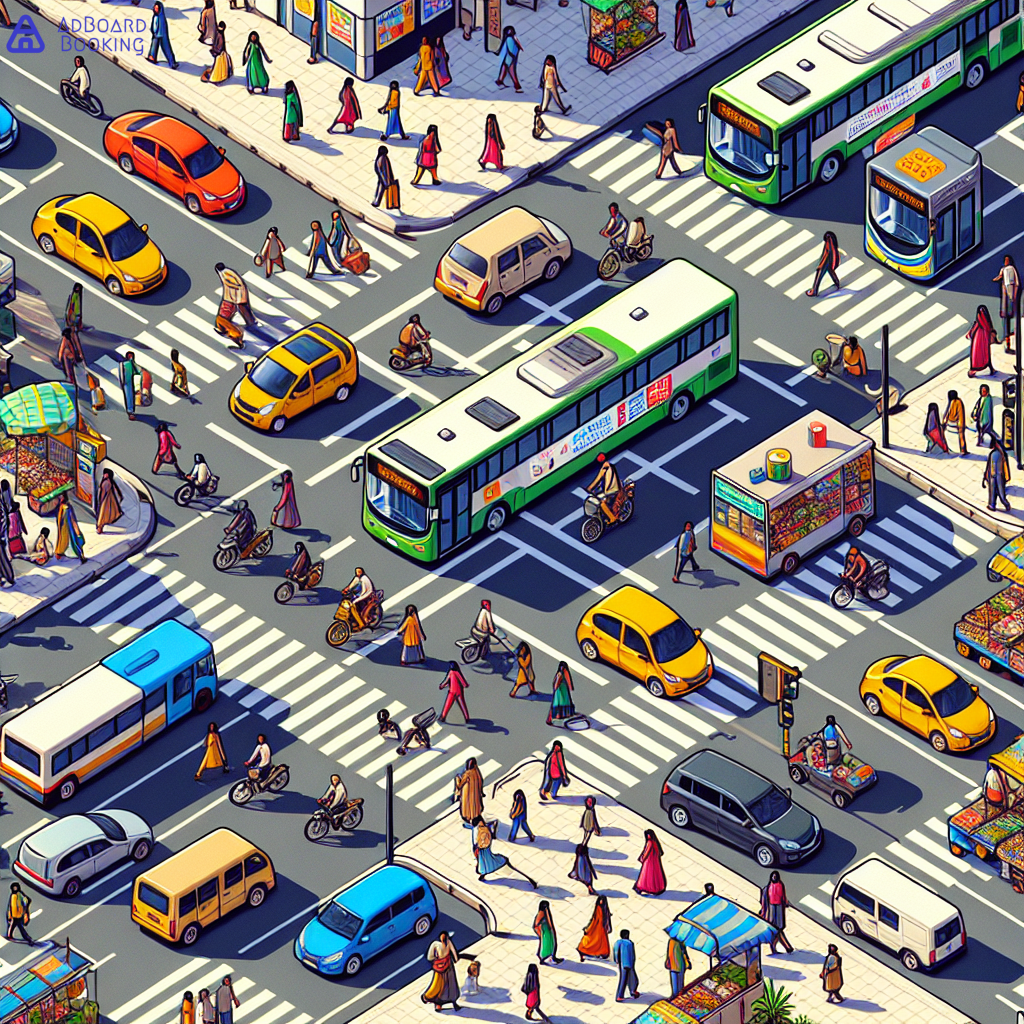
Bus Shelter Advertising: High-Frequency OOH at Eye Level
Introduction
In India, bus shelters are not merely functional structures for waiting passengers; they are prime marketing real estate. With millions of commuters relying on public transport daily, bus shelter advertising presents a unique opportunity for brands to connect with their audience. Yet, despite its potential, many advertisers overlook the strategic value of bus stop ads in India. This post explores the advantages, challenges, and best practices involved in bus shelter advertising, making it a vital channel for effective out-of-home (OOH) media planning.
Understanding Bus Shelter Advertising
Bus shelter advertising involves placing ads at bus stops, which often include shelters or benches for waiting passengers. These ads are typically positioned at eye level, ensuring high visibility to daily commuters.
Why Choose Bus Shelter Advertising?
- High Impressions: Bus shelters are usually located in areas with heavy foot traffic, leading to high-frequency impressions.
- Targeted Audience: Commuters include a diverse demographic, from students to professionals, allowing brands to reach various segments.
- Contextual Engagement: The proximity of the ads to transit points adds relevance, enhancing message retention.
Types of Bus Shelter Ads
Bus shelter advertising can take various forms, including:
- Static Posters: Traditional paper or vinyl ads that are fixed in place.
- Digital Displays: LED screens displaying dynamic content that can be changed throughout the day.
- Wraps and Promotional Displays: Entire bus shelters wrapped in branding materials for immersive advertising experiences.
Location Strategy
Choosing the Right Locations
Not all bus shelters are created equal. The effectiveness of bus shelter ads depends significantly on their location.
- High Traffic Areas: Target bus shelters near malls, universities, and business districts.
- Civic Centers: Shelters located near government offices or hospitals can reach a diverse audience.
- Transit Hubs: Shelters at major intersections or bus terminals maximize visibility.
Audience Targeting
Identifying and understanding the target audience is critical. Here’s how to approach it:
- Demographic Analysis: Evaluate the surrounding area’s demographics to determine who will see the ads.
- Behavioral Insights: Consider the daily routines and habits of commuters to tailor messaging accordingly.
- Event Timing: Advertise around local events to capture attention from larger crowds.
Planning Mistakes to Avoid
Several common pitfalls can reduce the efficacy of bus shelter advertising:
- Ignoring Location Research: Failing to study traffic patterns can lead to poor placement.
- Overcrowded Messaging: A cluttered design can dilute the intended message. Focus on clear, concise communication.
- Short Campaign Duration: Running ads for a brief period limits exposure. Longer campaigns typically yield better results.
Cost Breakdown
The costs associated with bus shelter advertising vary by location, type of advertisement, and duration. Here’s a rough estimate of pricing based on competitive offerings in major cities like Delhi NCR:
Static Bus Shelters:
₹25,000 – ₹60,000 (local roads)
Digital Displays:
₹80,000 – ₹2.5 lakh (main roads)
Premium Locations:
₹3 – ₹8 lakh for exceptional exposure in high-demand areas.
Measurement Challenges
Measuring the effectiveness of bus shelter advertising can be challenging. Common issues include:
- Lack of Foot Traffic Data: Unlike digital platforms, measuring exact views can be complicated.
- Attribution: Understanding how bus shelter ads contribute to customer acquisition often requires integrated tracking systems.
Consider implementing QR codes or unique URLs for users to engage with ads, providing a means to gauge effectiveness directly.
Execution Realities in India
Despite the potential, executing bus shelter advertising in India can come with hurdles:
- Bureaucratic Challenges: Acquiring permissions and navigating local regulations can be time-consuming.
- Vandalism and Maintenance: Outdoor ads are susceptible to wear and tear. Consistent upkeep is necessary to maintain brand image.
- Cultural Sensitivity: Messaging may need localization to resonate with diverse cultural backgrounds across regions.
Industry Evolution / Smarter Way Forward
As the OOH advertising landscape evolves, bus shelter advertising is witnessing significant transformations:
- Centralized Platforms: Many companies are moving toward integrated digital platforms that streamline booking and management of outdoor advertising.
- Better Planning Tools: Advanced analytics and modeling tools are being developed for better targeting and measuring visibility.
- Digital-like Experiences: Advertisers seek a booking experience similar to online channels, simplifying the process through intuitive interfaces.
AdBoard Booking: Simplifying the Process
AdBoard Booking is a full operating system designed for outdoor advertising. It includes a Content Management System (CMS) and Customer Relationship Management (CRM) tools tailored for billboard owners, allowing them to manage listings and bookings. For advertisers and agencies, the platform provides a simple, digital-like experience to discover, plan, and book bus shelters and billboards online.
For more information, you can visit AdBoard Booking.
Conclusion
Bus shelter advertising is an underutilized yet potent form of OOH media in India. By identifying the right locations, targeting the appropriate audience, and navigating the unique challenges of this advertising channel, brands can create impactful campaigns that resonate with consumers at their most receptive moments. As the industry advances toward centralized platforms and enhanced planning tools, advertisers can embrace a smarter, more effective approach to outdoor advertising.
Investing in bus shelter ads could be the key to tapping into a consistent and engaged audience—an opportunity no brand should overlook.
Comments
Post a Comment