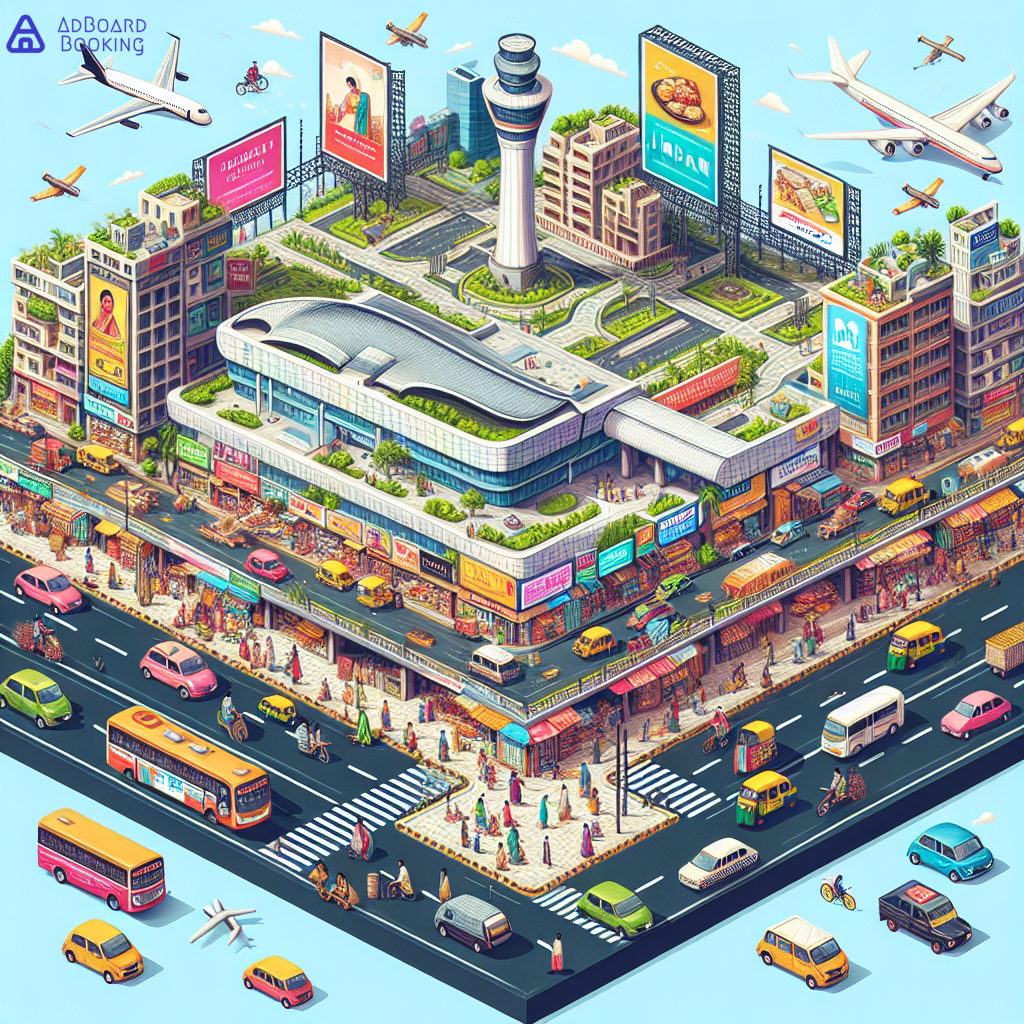
Airport Advertising in India: Formats, Costs & Best Practices
Introduction
Airports in India are bustling hubs where millions of travelers pass through each year. This unique environment creates a valuable advertising opportunity known as airport advertising. However, understanding how to effectively leverage this medium requires navigating various formats, understanding costs, and implementing best practices.
For many businesses, especially those in the D2C (Direct-to-Consumer) space or real estate developers looking to reach affluent audiences, airport advertising can offer significant visibility. However, the investment must be strategic to yield a high return. Let’s delve into the different formats of airport advertising available in India, their costs, and crucial best practices for advertisers.
Core Educational Sections
Types of Airport Advertising
Airport advertising encompasses a wide variety of formats, including:
1. Static Billboards
Static billboards remain a traditional yet effective choice. These large displays catch the eyes of passengers and are usually positioned in high-traffic areas, such as check-in counters and baggage claim.
- Advantages: Visibility to a captive audience.
- Typical Size: Ranges from 10x20 feet to 20x40 feet.
2. Digital Displays
Digital billboards provide flexibility in content updates and often feature dynamic multimedia formats.
- Placement: Commonly found in waiting areas and gates.
- Cost: Higher than static formats due to technology and maintenance.
3. Airport Kiosks
Kiosks provide interactive experiences. These can engage travelers while they wait and can even be integrated with mobile technology.
- Example: Product sampling or interactive brand stories.
4. Transit Media
Includes advertising on vehicles like airport shuttle buses and trolleys.
- Visibility: Offers brand exposure during transit.
5. Wall and Floor Graphics
These ads integrate seamlessly with the environment, targeting passengers in unexpected areas.
- Utilization: Creative designs can attract attention effectively.
Location Strategy
Choosing the right location within the airport is critical. Key considerations include:
- Traffic Volume: High footfall areas like check-in counters offer excellent visibility.
- Target Audience: Understanding the demographic profile of travelers at different terminals can aid in effective targeting.
- Duration of Stay: Areas where travelers spend more time, such as lounges, can yield better engagement rates.
Audience Targeting
Airports have unique audience segments, including:
- Business Travelers: Generally affluent and decision-makers, making tailored messaging essential.
- Leisure Travelers: Often looking for deals; brands must be relevant and timely.
- International Visitors: Requires messaging appealing to diverse cultures.
Planning Mistakes
Many advertisers make common errors when planning airport campaigns:
- Ignoring Audience Insight: Not catering to the specific demographics of airport visitors can lead to wasted ad spend.
- Lack of Measurement: Failing to establish KPIs (Key Performance Indicators) makes it hard to gauge success.
- Overlooking Compliance: Understanding ad regulations specific to airports is non-negotiable.
Cost Breakdown
The cost of airport advertising varies significantly based on format and location. Here’s a rough breakdown of typical costs in India:
- Static Billboards: ₹1 lakh – ₹5 lakh per month depending on visibility.
- Digital Displays: ₹2 lakh – ₹8 lakh for monthly ads depending on placement and size.
- Kiosks: ₹5 lakh – ₹15 lakh depending on the duration and interactivity.
- Public Transport Ads (e.g., buses): ₹30,000 – ₹1 lakh for routes within the airport.
Measurement Challenges
Measuring the effectiveness of airport advertising can be challenging due to:
- Limited Access to Audience Data: Tracking engagement and conversions is difficult.
- Diverse Audience Segments: This complicates audience analysis.
- Duration of Campaigns: Often, advertisers lack continuous insights.
Utilizing sophisticated tracking tools and technologies can mitigate these challenges. Digital displays offer ways to measure impressions via traffic data analytics.
Execution Realities in India
Indian airports vary in size and audience demographics, making tailored execution essential. Some best practices include:
- Local Partnerships: Collaborating with airport authorities or local agencies can facilitate smoother execution.
- Flexible Placements: Shared space ads or pop-up installations can be effective in maximizing visibility.
- Multilingual Approaches: Translations may be necessary to cater to international visitors.
Pricing & Examples
Let’s consider practical pricing examples to give you a concrete perspective on airport advertising costs:
Delhi International Airport:
Digital Billboard: Approximately ₹5 lakh per month.
Static Billboard: Range between ₹3 lakh – ₹7 lakh per month.
Chhatrapati Shivaji Maharaj International Airport (Mumbai):
Kiosk Advertising: Starting from ₹10 lakh per month.
Transit Vehicles: About ₹60,000 for local shuttle bus signage.
Industry Evolution / Smarter Way Forward
The future of airport advertising in India is shifting towards:
- Centralized Platforms: Streamlined booking processes through digital means.
- Advanced Planning Tools: Enhanced tools for measuring effectiveness.
- Digital Experiences: A move towards digital-like booking experiences similar to online retail.
Among emerging solutions, AdBoard Booking simplifies the process by offering a CMS + CRM for billboard owners while providing advertisers a digital platform for discovering and booking airport advertising. You can learn more here.
Conclusion
In conclusion, airport advertising in India presents a unique opportunity for brands looking to engage high-value audiences. By understanding the various formats, being mindful of costs, and implementing best practices, advertisers can make the most of this medium. As the industry continues to evolve, utilizing centralized platforms for smoother operations will be crucial to optimizing your airport advertising strategy.
Make informed choices, plan effectively, and you will capitalize on this vibrant advertising space.
Comments
Post a Comment