Metro Station Advertising: Reach Millions of Daily Commuters
Introduction
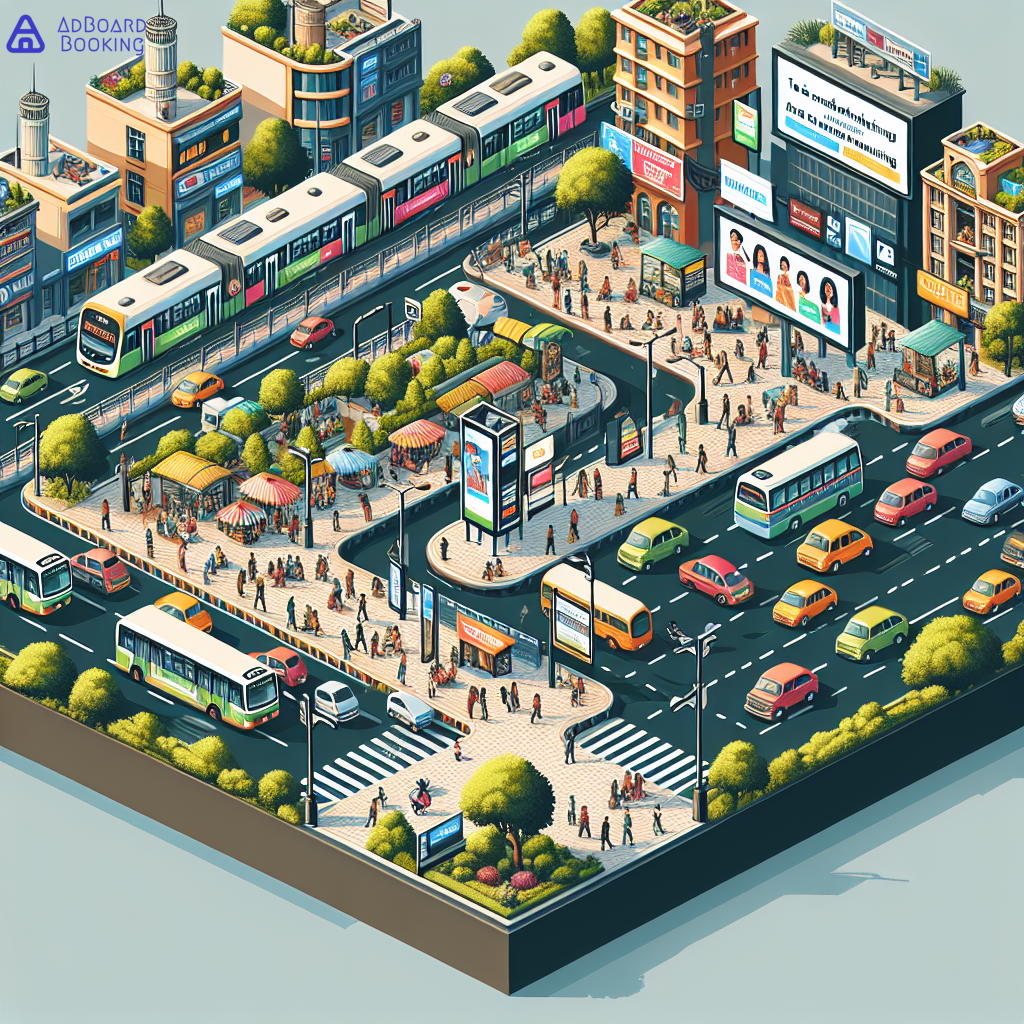
In India, the metro has become an essential mode of transportation, especially in bustling cities like Delhi, Mumbai, and Bangalore. With millions of commuters relying on these services daily, metro station advertising emerges as a vital opportunity for brands seeking visibility. This form of outdoor advertising not only provides reach but also targets a captive audience, making it an effective medium for brands across sectors.
However, despite its benefits, advertisers face unique challenges and considerations when planning metro station campaigns. This blog will delve into the ins and outs of metro station advertising—its costs, strategies, audience targeting, and best practices, ensuring that you are equipped to make informed decisions for your advertising needs.
The Appeal of Metro Station Advertising
Billboards within Metro Stations
Metro stations are strategically designed to maximize dwell time, making them ideal for billboards and other forms of advertising. The types of advertisements include:
- Digital Displays: Eye-catching, dynamic ads that change periodically.
- Static Displays: Traditional hoardings that offer a constant presence.
- Inflatable Ads: Unique formats that create engagement.
- Floor and Wall Graphics: Interactive formats that capture attention.
Audience Reach
The daily average ridership of metro systems can exceed millions, offering unparalleled access to diverse demographic segments:
- Daily Commuters: Working professionals, students, and casual commuters.
- Tourists: Both domestic and international visitors to popular destinations.
- Targeted Segments: Specific ads can cater to specific groups, depending on the station's location and the time of day.
Metro Ads Cost in India
Understanding the costs associated with metro station advertising is crucial for effective budgeting and campaign planning. Here's a breakdown of common pricing in major metro cities:
- Digital Displays:
- ₹20,000 – ₹50,000 per month, depending on the location and visibility.
- Static Hoardings:
- ₹15,000 – ₹35,000 per month in medium-traffic stations.
- ₹50,000 – ₹2 lakh in high-traffic locations like interchange stations.
- Floor and Wall Graphics:
- ₹10,000 – ₹30,000 depending on size and location.
- Inflatable Ads:
- Can range from ₹50,000 to ₹3 lakhs, depending on size and duration.
These estimates can vary widely based on several factors, including location, duration of the campaign, and specific station traffic.
Planning Considerations
Location Strategy
Location is paramount in metro advertising. The proximity to popular destinations (commercial centers, universities, tourist attractions) increases visibility and engagement.
Key Factors for Location Selection:
- High foot traffic areas (entrances, exits)
- Interchange stations where commuters switch lines
- Areas near shopping malls or popular restaurants
Audience Targeting
Identify who your audience is to tailor your advertising message effectively. This involves:
- Demographic Analysis: Understanding the age group, occupation, and interests of the commuters at specific stations.
- Time of Day: Different demographics tend to use the metro at various times, affecting the messaging and creative approach.
Avoiding Common Planning Mistakes
- Neglecting Research: Underestimating the importance of understanding foot traffic and commuter demographics can lead to ineffective campaigns.
- Ignoring Digital Trends: As more metro stations include digital displays, not considering a shift from static to digital can hinder your campaign's impact.
- Insufficient Measuring Metrics: Failing to define KPIs early on makes it challenging to assess campaign effectiveness.
Measurement Challenges
Unlike digital advertising, measuring the success of metro station advertising can be tricky. Some strategies include:
- Installing Tracking Codes: Placing QR codes or unique URLs in ads to direct traffic.
- Surveys and Feedback: Conducting on-ground surveys to collect direct responses from commuters.
Execution Realities in India
Executing metro advertising campaigns in India comes with its set of challenges. Here are some realities to consider:
Regulatory Hurdles
- Permitting and Compliance: Each metro authority has distinct regulatory frameworks, requiring advertisers to navigate paperwork and approvals.
Installation Challenges
- Logistics: Setting up ads in busy metro stations can disrupt normal operations, necessitating careful planning and coordination with metro authorities.
Cultural Sensitivity
- Understand local cultures and preferences to create culturally relevant ads that resonate with the audience.
Industry Evolution: The Smarter Way Forward
The outdoor advertising landscape, particularly metro station advertising, is witnessing significant changes. Advertisers are increasingly turning to:
Centralized Platforms: These platforms streamline booking processes, making it easier for brands to manage multiple campaigns across different locations.
Better Planning Tools: Innovative tools that offer insights into commuter demographics and foot traffic patterns allow for more effective campaign planning.
Digital-like Booking Experiences: Similar to other digital advertising platforms, advertisers can enjoy the convenience of online booking and management.
AdBoard Booking
AdBoard Booking offers a comprehensive operating system for outdoor advertising, featuring:
- A robust CMS and CRM for billboard owners to manage listings and bookings.
- A user-friendly platform for advertisers to discover, plan, and book metro station ads seamlessly.
For more information, visit AdBoard Booking.
Conclusion
Metro station advertising presents a unique opportunity for brands to connect with millions of daily commuters in India. By understanding the cost structures, audience targeting, and strategic placement, advertisers can optimize their campaigns for maximum impact.
As the industry evolves towards centralized platforms and digital management, staying informed and adaptable will ensure that your outdoor advertising remains effective and relevant. Make smart, modern planning decisions, and leverage the power of metro station advertising to reach your audience like never before.
Comments
Post a Comment