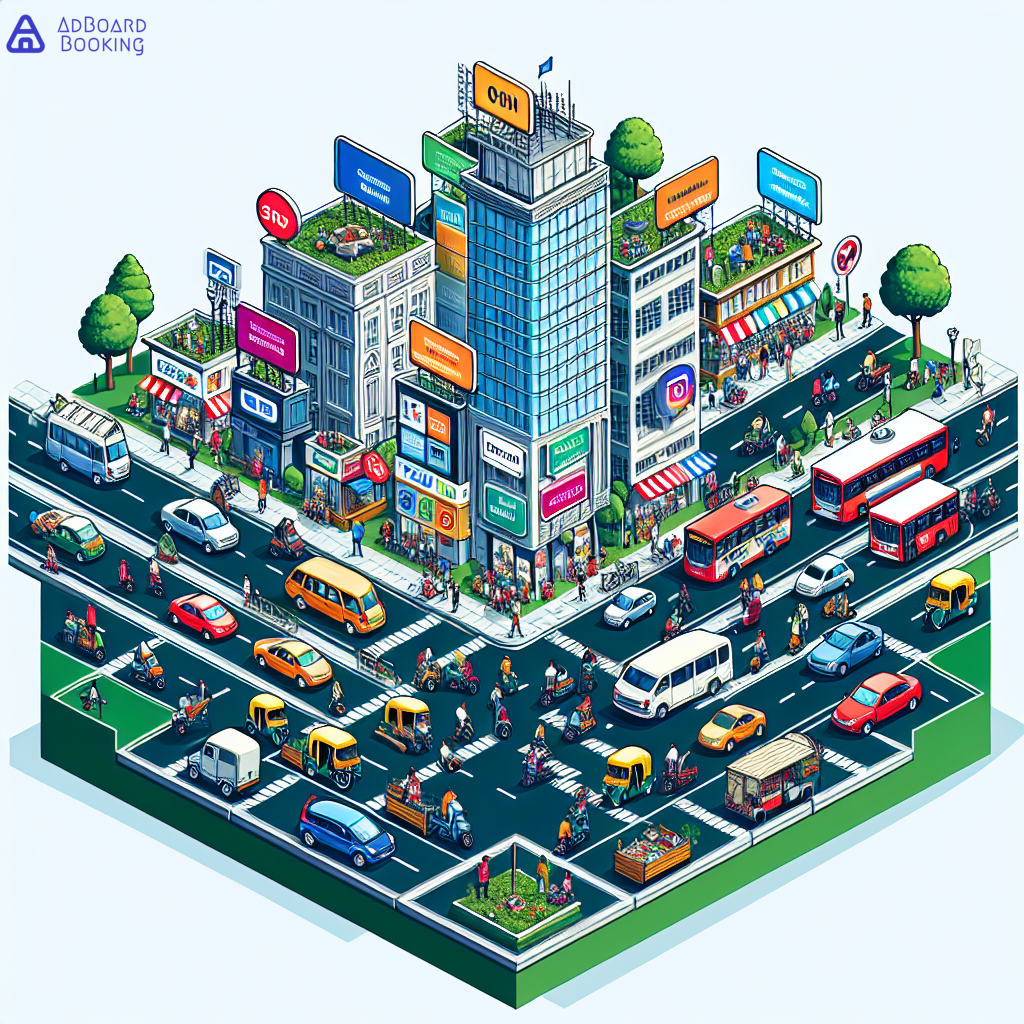
How to Measure OOH Advertising ROI: Metrics That Matter
Introduction
In the ever-evolving landscape of advertising, outdoor advertising in India stands out as a powerful medium to gain visibility and drive brand engagement. However, many advertisers face a significant challenge: measuring the return on investment (ROI) for their Out-of-Home (OOH) campaigns. This task can be daunting, given the diverse formats and locations available.
The crux of the issue lies in quantifying impact. As brands increasingly allocate budgets to billboard advertising and hoarding placements, they seek clarity on effectiveness. This blog will explore the essential metrics for OOH ROI measurement, shedding light on how to assess billboard effectiveness and make informed decisions about future campaigns.
Understanding OOH Advertising
Before delving into ROI measurement, it’s vital to grasp the fundamental elements of OOH advertising. This includes the various types of billboards and their strategic placements. From traditional static billboards to digital displays, each format serves a unique purpose and demands different measurement approaches.
Billboard Types
- Static Billboards: Classic, large-format ads with fixed designs.
- Digital Billboards: Dynamic ads allowing multiple messages and real-time updates.
- Transit Advertising: Ads on buses, subways, and taxis that reach commuters.
- Street Furniture: Ads on benches, kiosks, and other urban furniture.
These formats cater to distinct audience segments, making the choice of the right type critical when assessing ROI.
Metrics for Measuring OOH Advertising ROI
To effectively measure the ROI of OOH campaigns, brands must focus on several key metrics. Here are the metrics that matter:
1. Reach and Impressions
Reach refers to the number of unique individuals who come into contact with a billboard, while impressions quantify the total instances of this exposure. Understanding these metrics helps advertisers gauge potential audience size.
- Calculation: Reach can be measured via traffic data, population demographics, and geolocation statistics. Impressions are often calculated using average daily traffic and the expected visibility based on the billboard location.
2. Engagement Metrics
While tracking physical reach is essential, equally important are engagement metrics. This can be assessed through:
- Social Media Mentions: Tracking hashtags related to the OOH campaign.
- Website Traffic: Using UTM parameters to monitor website visits directly attributable to the campaign.
Engagement offers insights into how well the message resonates with the audience.
3. Brand Recall and Mental Availability
Brand recall refers to the probability that consumers will remember your brand when prompted. Surveys can help gauge brand recall post-campaign through:
- Pre and Post-surveys: Conducting research before and after the campaign to evaluate changes in brand awareness.
Higher brand recall typically translates to a better ROI.
4. Conversion Tracking
Ultimately, the objective of OOH advertising is to drive sales and conversions. Key conversion tracking methods include:
- Promotional Codes: Unique codes displayed on billboards encouraging consumers to utilize them for discounts online or in-store.
- Website Analytics: Tracking specific actions (like purchases) linked to visitors from the billboard's calls-to-action (CTAs).
5. Sales Data Analysis
Every campaign should correlate with observable changes in sales data. By analyzing sales figures during and after the campaign, brands can assess the direct impact of their outdoor efforts.
- Comparative Analysis: Assessing sales performance in specific regions can yield insights on location effectiveness.
6. Cost-Per-Action (CPA)
Determining your CPA involves calculating the cost of the campaign divided by the number of actions taken, such as website clicks or sales generated from the campaign.
- Formula: CPA = Total Cost of Campaign / Total Actions (Clicks or Conversions).
A lower CPA indicates a more effective campaign.
Industry Challenges in Measuring OOH ROI
While many metrics exist to assess OOH ROI, advertisers face numerous challenges:
- Data Quality and Availability: Access to accurate traffic data can be limited, affecting reach and impression calculations.
- Attribution Models: OOH lacks clear attribution in a multi-channel marketing strategy, making it hard to identify which format drove engagement.
- Dynamic Audience Patterns: In urban areas, audience movement varies significantly, affecting the consistency of traditional measurement methods.
Best Practices for Effective OOH Measurement
To navigate these challenges, advertisers must adopt best practices, including:
- Investing in Technology: Utilize platforms that provide real-time data analytics to augment measurement accuracy.
- Multichannel Tracking: Incorporate OOH with integrated marketing campaigns, allowing for cross-channel performance evaluation.
- Monitor Competitors: Analyze competitor placements and campaign performances to benchmark your effectiveness.
Industry Evolution: The Smarter Way Forward
As OOH advertising continues evolving, brands are moving towards more centralized platforms for measurement and booking. Modern technologies are enabling better planning tools, similar to digital ad platforms, allowing for:
- Streamlined Campaign Management: Centralized data for easy metric tracking and adjustments.
- Predictive Analytics: Tools that analyze data in real-time to forecast campaign effectiveness.
- Digital Booking Experiences: Making it easier for advertisers to explore, plan, and book OOH placements through platforms like AdBoard Booking.
AdBoard Booking offers a comprehensive operating system for outdoor advertising, serving as a content management and customer relationship management solution for billboard owners. For advertisers, it provides a simple, digital-like experience for discovering and booking billboard spaces online. Explore more here.
Conclusion
Measuring OOH advertising ROI is crucial for understanding the effectiveness of billboard marketing campaigns. By focusing on critical metrics such as reach, impressions, engagement rates, and sales data, advertisers can gain valuable insights into their efforts.
While challenges exist within OOH measurement, adherence to best practices and leveraging innovative platforms can empower brands to measure their campaigns more accurately. As the industry moves toward more integrated solutions, adopting smarter OOH planning methods will be integral to driving success for advertisers in India's dynamic outdoor advertising market.
Comments
Post a Comment