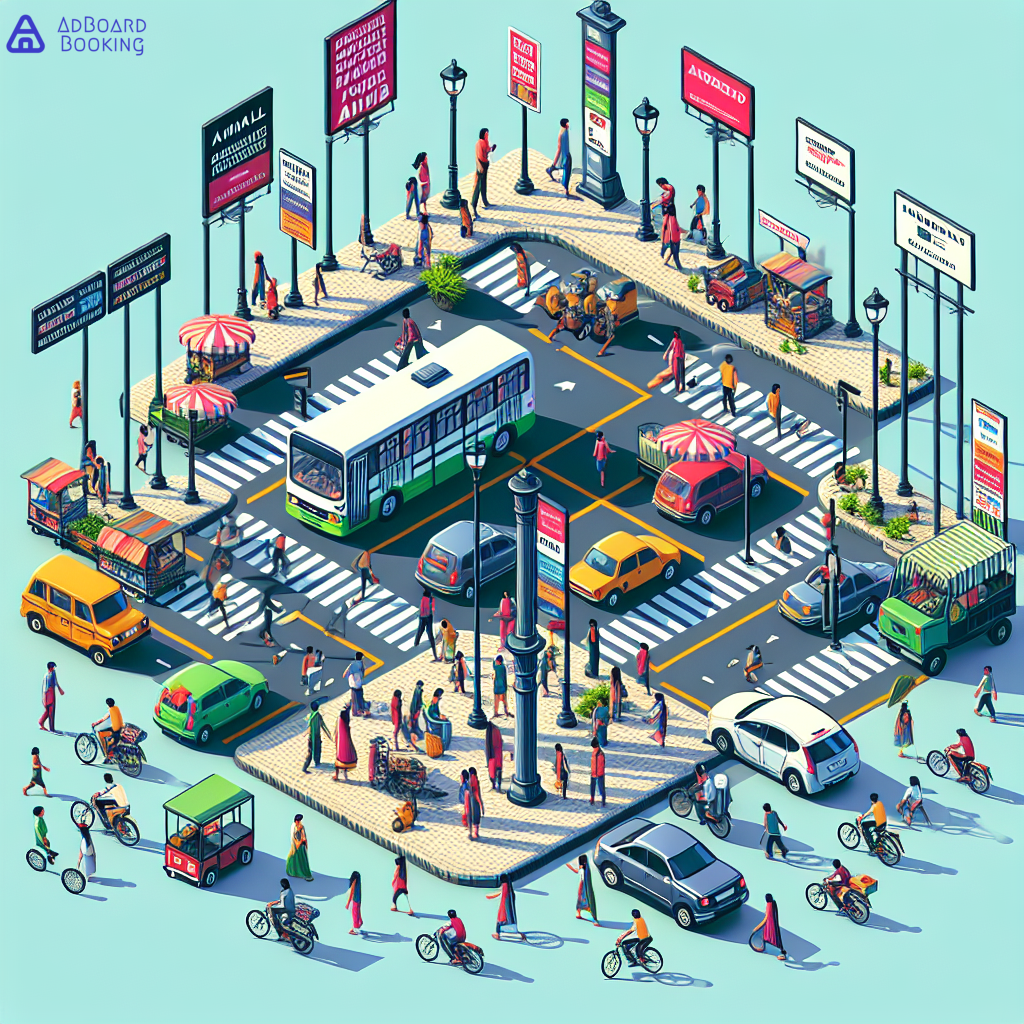
Pole Kiosk & Pillar Advertising: Small Format, Big Impact
Introduction
In the bustling streets of Indian cities, the race for consumer attention has intensified. Brands are constantly seeking innovative and economical ways to increase visibility amidst the chaos. Traditional billboard space is often prohibitively expensive and can sometimes face excessive competition. Enter pole kiosks and pillar advertising — small format outdoor advertising that packs a punch. These unobtrusive yet strategically positioned advertising formats can deliver significant brand impressions while being budget-friendly.
Understanding Pole Kiosk & Pillar Advertising
What is Pole Kiosk Advertising?
Pole kiosks are typically small-scale advertising structures attached to utility poles or strategically placed freestanding poles. They are designed to promote brands or services in high-traffic areas, effectively utilizing urban infrastructure for advertising purposes.
What are Pillar Ads?
Pillar ads are similar but focus on the vertical surfaces of support structures, often used in malls, transit stations, and pedestrian pathways. These ads can be printed or digital and are designed to capture the attention of pedestrians and commuters.
Benefits of Small Format OOH Advertising
- High Visibility: Positioned in high-traffic areas, pole kiosks and pillar ads attract attention from both pedestrians and vehicles.
- Targeting Flexibility: They can target specific demographics based on location, making them ideal for localized campaigns.
- Cost-Effective: Typically less expensive than large-format billboards, allowing for more affordable advertising options for SMBs and startups.
- Short Lead Times: Quick setup and short production times allow for faster campaign launches.
Cost Breakdown
Understanding the associated costs helps advertisers budget effectively. Here’s a breakdown of costs for pole kiosks and pillar advertising in India, particularly in core urban centers like Delhi NCR.
Pole Kiosks:
Local Roads: ₹10,000 – ₹30,000 per month
Main Roads: ₹40,000 – ₹1.5 lakh per month
Premium Locations: ₹2 lakh+ per month
Pillar Ads:
Local Roads: ₹15,000 – ₹35,000 per month
Main Roads: ₹50,000 – ₹1.8 lakh per month
Premium Locations: ₹2.5 lakh+ per month
Location Strategy
When planning a pole kiosk or pillar ad campaign, location is critical. Here are some strategic considerations:
High Traffic Areas
- Busy Marketplaces: Areas with heavy footfall such as markets, shopping complexes, and street vendor zones.
- Transport Hubs: Locations near bus stops, metro stations, and railway stations where people congregate while waiting.
Community Engagement
- Surrounding Schools and Colleges: Advertisements targeting the youth can benefit from placements near educational institutions.
- Residential Areas: Leveraging community-specific interests by placing ads in residential neighborhoods can increase engagement.
Audience Targeting
Effective audience targeting is essential for maximizing the impact of pole kiosks and pillar ads. Consider the following strategies:
Demographics
- Age Groups: Tailor messages based on the demographics of a particular location. For example, ads targeting young professionals might perform better near corporates, while family-oriented products may be better suited near housing complexes.
Local Events
- Festivals, sports events, or local fairs can provide excellent opportunities to tailor messages for short-term campaigns.
Common Planning Mistakes
Avoiding pitfalls during planning is essential to running a successful campaign. Here are some common mistakes to watch out for:
Underestimating Competition
Don’t overlook competitors in the area. Conduct a competitive analysis to understand who else is advertising nearby and how you can differentiate your message.
Neglecting Compliance
Ensure compliance with local regulations regarding the size, placement, and number of ads. Many cities in India have regulations that may limit pole and pillar placements.
Measurement Challenges
Tracking the effectiveness of small format OOH can be tricky but is essential for optimizing campaigns. Consider the following metrics:
- Impressions and Reach: Use digital tools to estimate foot traffic in the area to calculate potential impressions.
- Consumer Engagement: Incorporate QR codes or social media hashtags to track consumer interactions with your ad.
Execution Realities in India
Successful execution of pole kiosks and pillar advertising comes with its own set of challenges in the Indian context:
- Infrastructure Limitations: Variable urban infrastructure can affect the visibility and accessibility of placements.
- Weather Conditions: Depending on the region, weather can rapidly degrade ad materials. Consider durable materials that withstand seasonal affects.
Industry Evolution / Smarter Way Forward
The outdoor advertising industry is undergoing significant changes, moving toward:
- Centralized Platforms: Simplifying the booking process through centralized platforms can enhance ease and efficiency in securing ad placements.
- Data-Driven Decision Making: Better data analytics tools allow advertisers to plan campaigns based on real-time consumer behavior and demographics.
- Digital-Like Experiences: The shift towards digital-like booking experiences provides advertisers with more flexibility and control over their campaigns.
AdBoard Booking
AdBoard Booking serves as a comprehensive operating system for outdoor advertising. It combines a content management system (CMS) and a customer relationship management (CRM) tool for billboard owners, allowing them to manage listing and bookings seamlessly. Advertisers and agencies can leverage this platform for a simplified, digital-like experience when discovering, planning, and booking pole kiosks and pillar ads.
For more details, visit AdBoard Booking.
Conclusion
Pole kiosk and pillar advertising present unique opportunities for brands looking to make a significant impact on limited budgets. By focusing on location strategy, audience targeting, and avoiding common planning mistakes, advertisers can leverage these small-format OOH solutions effectively. The evolution towards smarter, data-driven planning and booking experiences signals a bright future for outdoor advertising in India. As you embark on your OOH journey, be diligent, prioritize smart planning, and take advantage of the evolving landscape to maximize your brand’s visibility.
Comments
Post a Comment