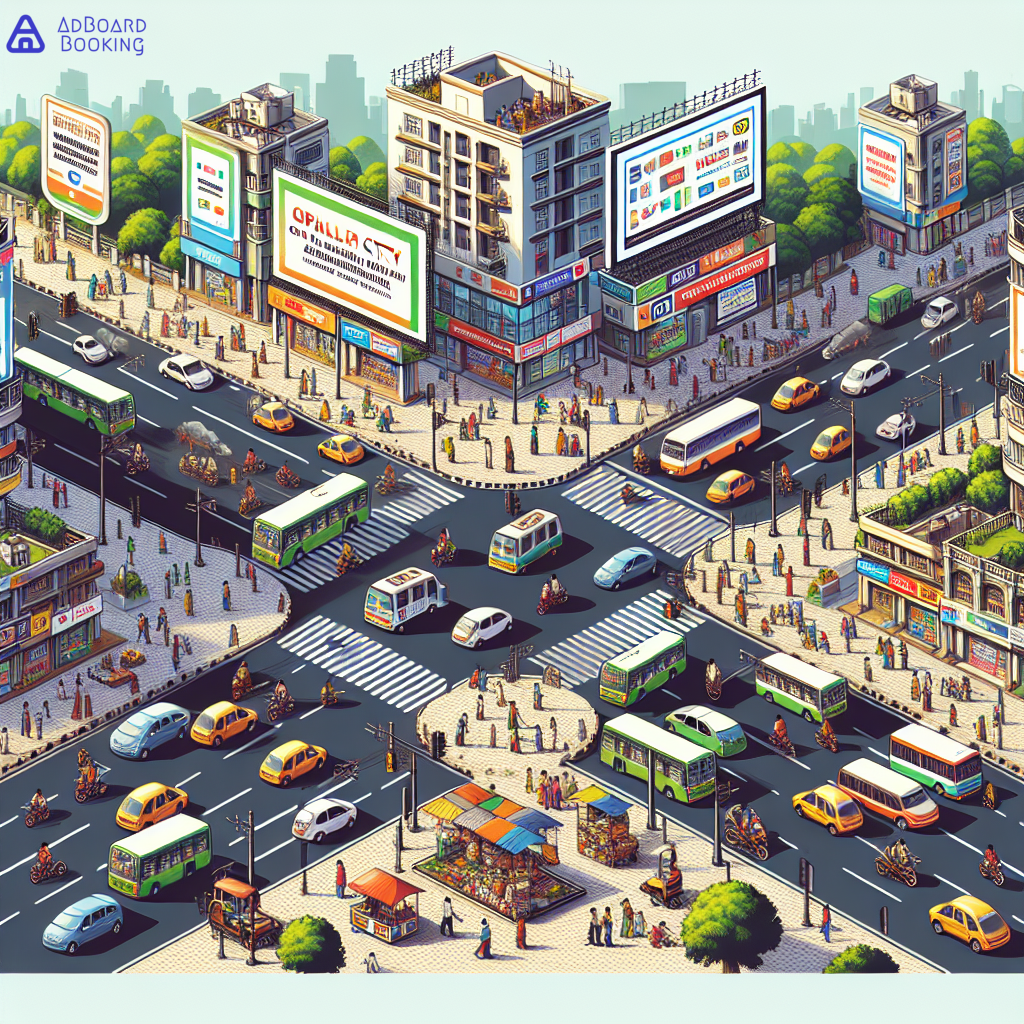
OOH Advertising in Tier-2 & Tier-3 Cities: Untapped Opportunities
Introduction
In India, the advertising landscape is predominantly urban-centric, with most campaigns focusing on metro cities. However, there is a growing realization that Tier-2 and Tier-3 cities present a wealth of opportunities for outdoor advertising (OOH). These cities are not just emerging markets; they are vibrant regions buzzing with economic potential, consumer demand, and less competitive advertising spaces. Advertisers often overlook these zones, but opportunities await those willing to dive in.
This blog explores the benefits, challenges, and practical strategies for leveraging outdoor advertising in Tier-2 and Tier-3 cities across India.
The Changing Dynamics of Tier-2 and Tier-3 Cities
Understanding the Market Potential
India's Tier-2 and Tier-3 cities are witnessing rapid urbanization and economic growth. With a rising middle class, improved infrastructure, and increased purchasing power, the consumer base in these cities is diversifying. Brands tapping into this market can foster loyalty and create a strong foothold.
Key Demographics:
- Population Growth: Many Tier-2 cities are experiencing a population surge.
- Young Consumers: A significant proportion of inhabitants are millennials and Gen Z.
- Increasing Internet Penetration: With more affordable smartphones, access to the Internet is soaring.
Advantages of Advertising in Smaller Cities
Reduced Competition: Fewer brands are vying for attention, making it easier for advertisers to stand out.
Cost-Effectiveness: The cost of billboard advertising in Tier-2 and Tier-3 cities is significantly lower than in metropolitan areas. This affordability allows for larger campaigns or more frequent messaging.
- Hoarding Advertising Cost Ranges:
- ₹25,000 – ₹60,000 for local roads.
- ₹80,000 – ₹2.5 lakh for main roads.
- ₹3 – ₹8 lakh+ for premium locations.
- Hoarding Advertising Cost Ranges:
Community Engagement: Smaller cities tend to have tight-knit communities, making local engagement more impactful.
Billboard Types
To maximize visibility in Tier-2 and Tier-3 cities, there are various options for billboards and outdoor advertising:
1. Traditional Billboards
These are large, static displays located in high-traffic areas, effective for broad messaging.
2. Digital Billboards
While traditionally more expensive, the rise of affordable digital signage allows brands to deliver dynamic content and captivating visuals.
3. Mobile Billboards
Utilizing vehicles with advertising graphics can target localized audiences effectively.
4. Street Furniture Advertising
Benches, bus shelters, and kiosks can serve as strategic advertising platforms that integrate seamlessly into the everyday lives of residents.
Location Strategy
Selecting Optimal Locations
Choosing the right locations for outdoor advertising is critical. Factors to consider include:
- Traffic Volume: High-traffic junctions are prime spots for visibility.
- Proximity to Shopping Areas: Areas near markets or malls can attract greater footfall.
- Residential Density: Locations adjacent to populous neighborhoods can enhance ad exposure.
Using Local Insights
Engage local influencers or conduct grassroots research to identify the best advertising locations. Understanding community behaviors can uncover unique opportunities.
Audience Targeting
Defining the Target Audience
Understanding who resides in Tier-2 and Tier-3 cities is essential for crafting tailored messages. Key segments include:
- Young Professionals: With burgeoning careers, they may lean towards trends and lifestyle products.
- Families: Advertisements targeting household needs, education, and health can resonate more deeply.
- Cultural Influencers: Local stakeholders like shopkeepers or community leaders can impact purchasing decisions.
Tailoring the Message
Creating relatable content is paramount. Use local dialects, culturally relevant themes, and images that resonate with your target demographic. This localization fosters a deeper connection.
Planning Mistakes to Avoid
As you venture into OOH advertising within these cities, be mindful of the following common pitfalls:
1. Overlooking Local Culture
Not respecting local customs can alienate your target audience. Always adapt campaigns to align with community values.
2. Misjudging Traffic Patterns
Focusing only on busy roads may yield wasteful spend. Use a balanced approach that includes strategic placements in quieter neighborhoods.
3. Ignoring Engagement Metrics
Failing to measure the effectiveness of campaigns can lead to repeated mistakes. Regularly analyze audience reach and engagement to refine strategies.
Execution Realities in India
Engaging in outdoor advertising in Tier-2 and Tier-3 cities comes with its own set of challenges:
1. Regulatory Environment
Navigate local regulations and obtain necessary permits to avoid fines or removals.
2. Installation Challenges
Infrastructure could either be underdeveloped or inconsistent, impacting where billboards can be placed.
3. Weather Considerations
Extreme weather conditions can affect visibility and campaign durability. Make sure to use high-quality materials.
Measuring Success
Key Performance Indicators (KPIs)
- Reach: Determine the number of individuals who view your advertisement.
- Engagement: Monitor how well your audience connects with your message.
- Brand Recall: Conduct surveys to assess if your advertising led to consumer action.
Technologies for Measurement
Implementing modern analytics tools can provide insights into traffic flow and engagement, enhancing your measurement capabilities.
Industry Evolution & Smarter Way Forward
The outdoor advertising landscape is shifting towards:
- Centralized Platforms: Streamlined systems that facilitate booking and management for advertisers.
- Better Planning Tools: Software that helps in identifying the best locations and traffic patterns.
- Digital-like Booking Experiences: Simplified online experiences for advertisers enhance accessibility.
AdBoard Booking
AdBoard Booking is a full operating system for outdoor advertising. It serves as a CMS + CRM for billboard owners to manage listings and bookings. The platform provides a simple, digital-like experience for advertisers and agencies to discover, plan, and book billboards online. More information can be found on their website: AdBoard Booking.
Conclusion
Tier-2 and Tier-3 cities are untapped goldmines for outdoor advertising opportunities in India. By understanding market dynamics, selecting ideal locations, tailoring messages, and avoiding common pitfalls, advertisers can fully leverage this emerging landscape.
Invest in these markets and make smart, modern planning decisions to capture the potential of India's underserved yet promising cities. OOH advertising can be both effective and transformative, driving brand growth where competition is less fierce and community connections are stronger.
Comments
Post a Comment